
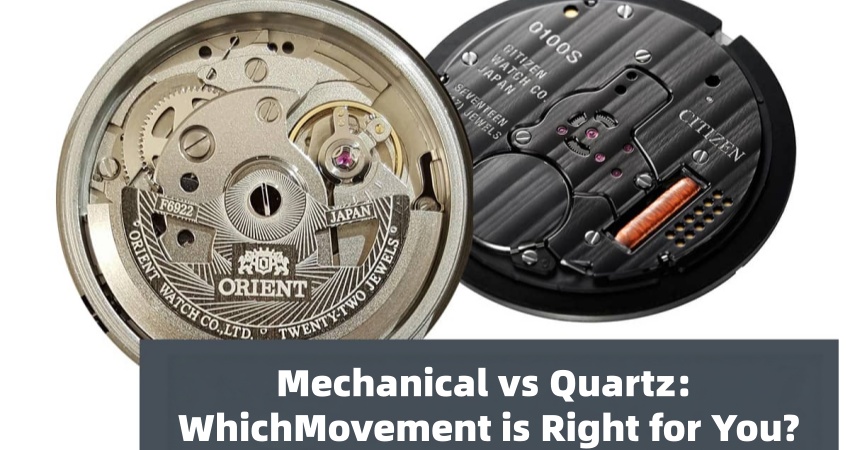
When choosing a watch, one of the most fundamental decisions you’ll make is between a mechanical movement and a quartz movement. Both have their strengths, and understanding the differences will help you choose the timepiece that best fits your lifestyle and preferences.
Mechanical Movements: The Art of Timekeeping
Mechanical watches are powered by a complex system of gears, springs, and oscillating weights that require no battery. There are two types: manual (wound by hand) and automatic (wound by the natural motion of your wrist).
Advantages of mechanical movements:
- Sweeping second hand: Unlike quartz watches that tick once per second, mechanical movements feature a smooth sweeping second hand — a hallmark of traditional watchmaking.
- No batteries needed: Automatic mechanical watches are powered by your wrist movement, so you’ll never need to replace a battery.
- Craftsmanship and heritage: Mechanical movements are assembled from 200+ precision components, each carefully finished and adjusted by skilled watchmakers.
- Longevity: A well-maintained mechanical watch can last for decades, even generations, with proper servicing.
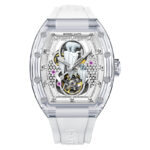
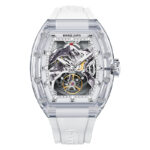
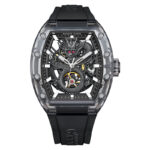
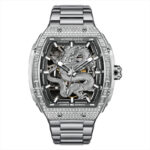
- Visual appeal: Skeleton dials and exhibition casebacks allow you to admire the movement in action.
Quartz Movements: Precision and Convenience
Quartz watches use a battery-powered electronic oscillator regulated by a quartz crystal to keep time. They are the most common type of watch in the world, prized for their accuracy and low maintenance.
Advantages of quartz movements:
- Superior accuracy: Quartz watches are typically accurate to within 15 seconds per month, compared to mechanical watches which may vary by several seconds per day.
- Low maintenance: Aside from replacing the battery every 1-2 years, quartz watches require virtually no maintenance.
- Affordability: Quartz movements are less expensive to produce, making them accessible at a wide range of price points.
- Durability: With fewer moving parts, quartz watches are often more resistant to shocks and impacts.
Which Should You Choose?
The answer depends on your priorities:
Choose mechanical if:
- You appreciate the craftsmanship and heritage of traditional watchmaking
- You want a watch with a sweeping second hand and visible movement
- You’re looking for a timepiece that can be passed down through generations
- You enjoy the ritual of winding and caring for a mechanical object
- You want a statement piece that sparks conversation
Choose quartz if:
- You prioritize pinpoint accuracy above all else
- You want a low-maintenance, worry-free timepiece
- You need a durable watch for sports or outdoor activities
- You’re on a tighter budget
- You prefer not to deal with winding or servicing
The GATTI Approach
At GATTI, we specialize in premium automatic mechanical watches because we believe that the experience of wearing a mechanical timepiece is unmatched. Every GATTI watch features a quality automatic movement with a smooth sweeping second hand, housed in a premium 316L stainless steel case with scratch-resistant mineral glass.
Our watches are designed for those who appreciate the art of mechanical horology — the satisfying weight on the wrist, the mesmerizing motion of the skeleton dial, and the knowledge that you’re wearing a piece of engineering artistry that requires no battery and can last a lifetime with proper care.
Whether you’re a seasoned watch collector or purchasing your first mechanical timepiece, GATTI offers a range of styles — from bold skeleton designs to elegant tonneau cases — that combine traditional craftsmanship with contemporary design at an accessible price point.